 Trusted Since 2001


.svg)
- Builders Hardware
- Catches and Latches
Catches and Latches
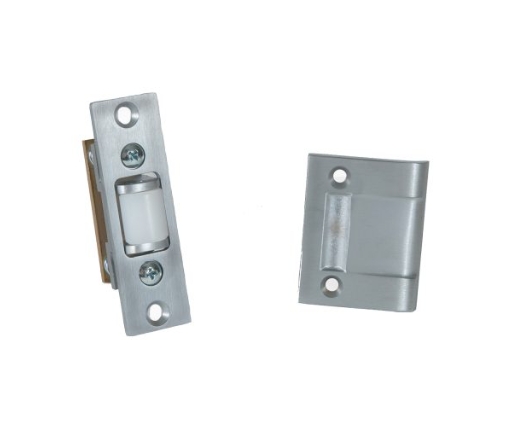
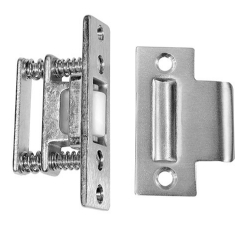
We stock commercial ball catches, roller latches, door catches, and cabinet hardware from Rockwood, Ives, Trimco, and Tell for interior doors, cabinet doors, and light-duty catch applications. Call 877-471-4870.
$10.68
$7.90
$4.46
$3.30

$5.10
$2.78
$14.80
$8.07
$25.20
$13.73
$3.70
$2.02
$22.70
$12.37
$22.10
$12.04
$14.80
$8.07
$20.00
$10.90
$21.40
$11.66
$94.40
$51.45
$94.40
$51.45
$60.10
$32.75
$73.30
$39.95
$68.60
$37.39
$59.20
$32.26
$58.70
$31.99
$43.00
$23.44
$232.90
$126.93
$113.60
$61.91
$157.80
$86.00
$89.10
$48.56
$84.00
$45.78

$26.40
$17.16
$88.50
$57.52
$71.30
$46.34
- 1
- 2
Door Catches: When to Use Them Instead of a Passage Lock
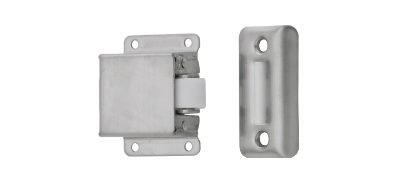
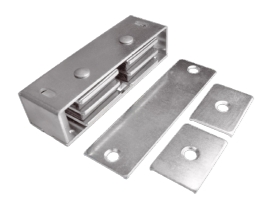
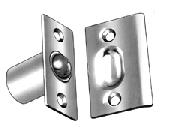
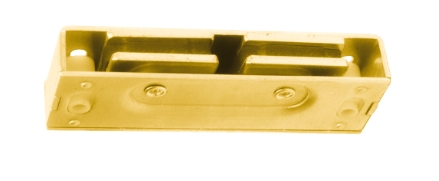
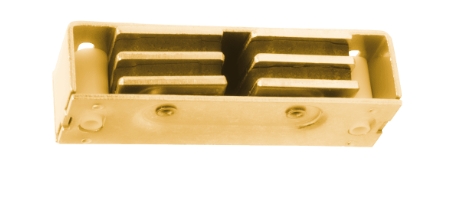
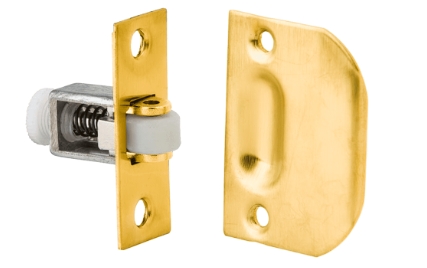
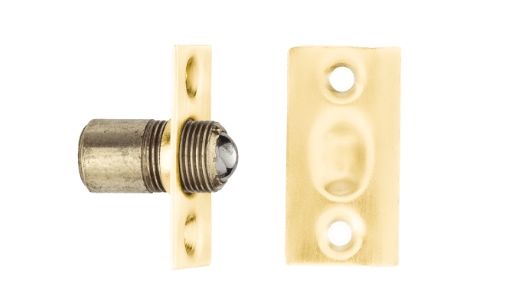
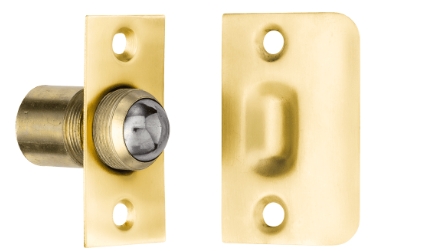
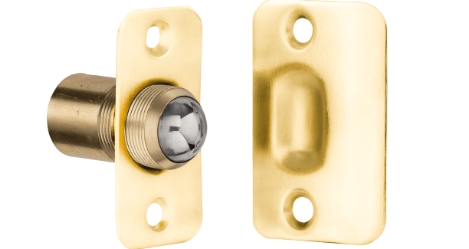
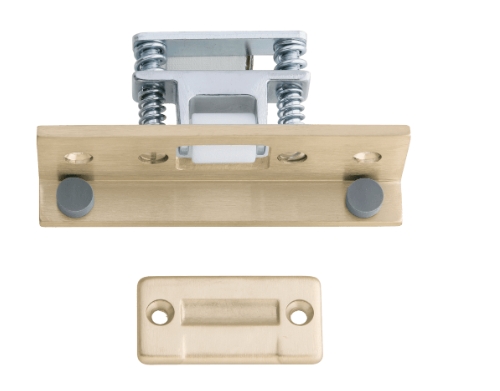
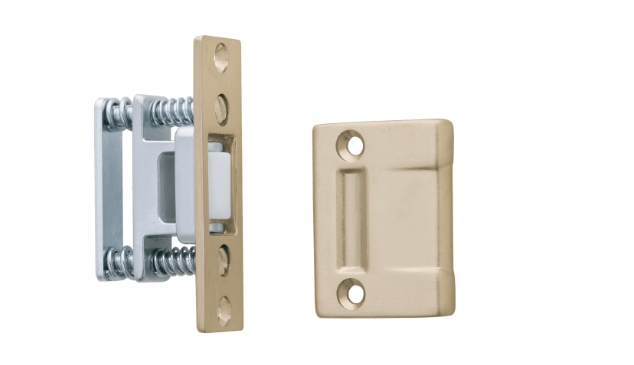
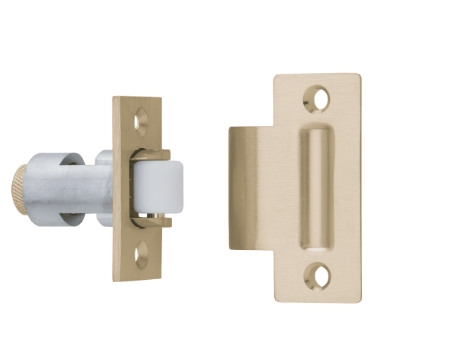
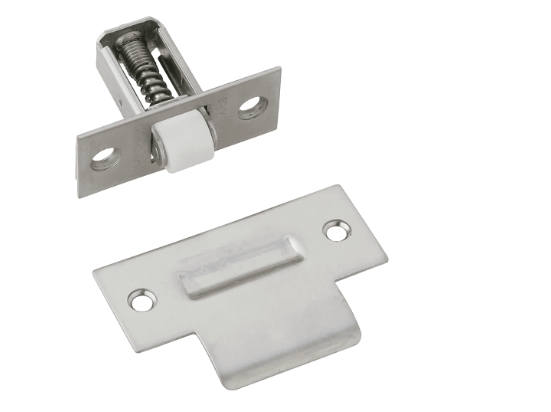
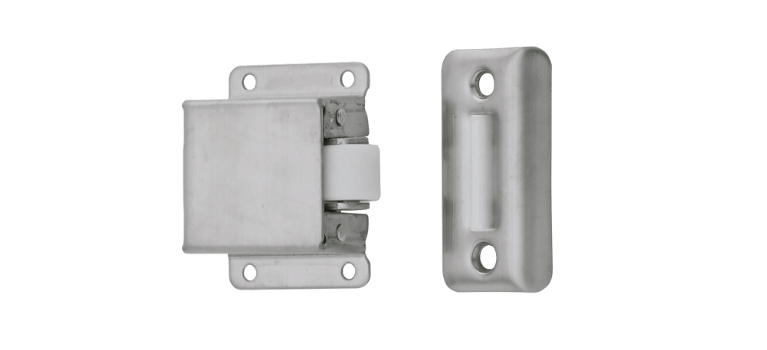
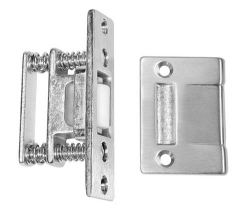
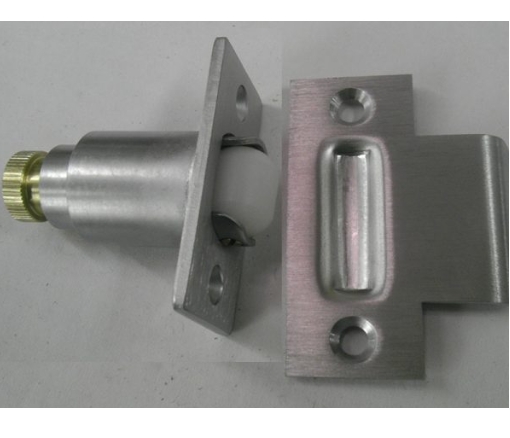
Door catches are simple latching devices for doors that don't require a lockset. Interior doors where retention in the closed position is needed without any locking or lever-operation function. Ball catches are the most common: a spring-loaded ball in the strike plate captures the door edge keeper when the door closes. Roller latches use a spring-loaded roller against a keeper strike for quieter operation in office and healthcare applications. Magnetic catches use a small magnet to retain the door -- the weakest option, appropriate only for very light interior cabinet doors with no air pressure differential or wind loading. Call 877-471-4870 for product selection guidance on specific applications.
When a Catch Is the Right Spec vs. a Passage Lock
Passage locksets (F01 function, both levers always free) are specified when a lever is needed for door operation but locking is never required. Ball or roller catches are specified when even a passage lever is unnecessary -- the door is opened by pushing or pulling the door itself, and the catch just holds it closed against drafts and light contact. Cabinet doors, utility closet doors, interior janitor closet doors, and light interior divider doors are typical catch applications. For any door on an accessible route where the ADA requires operable hardware, specify a passage lever, not a catch -- catches don't provide the accessible hardware required on egress-path doors.
Frequently Asked Questions: Door Catches and Latches
What is the difference between a ball catch and a roller latch?
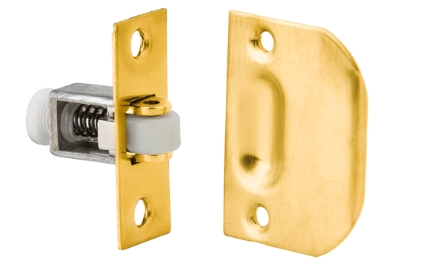
A ball catch uses a spring-loaded steel ball in the strike that engages a cup-shaped keeper in the door edge. The ball catch produces a distinct click on closure and requires slight force to open -- appropriate for doors where positive closure confirmation is important. A roller latch uses a spring-loaded rotating roller that rides over a keeper ramp quietly. Roller latches are quieter and require less force to open, making them the specification for healthcare, library, and office environments where door noise is a concern.
Can door catches be used on fire-rated door assemblies?
Fire-rated door assemblies require a positive latching mechanism -- typically a latch bolt that engages the strike frame under spring pressure. Most ball catches and roller latches don't meet the positive latching requirement for fire door assemblies. Check with the door manufacturer and the fire rating laboratory for acceptable latching hardware on any fire-rated assembly. For fire-rated doors, specify a standard passage lockset or a fire-rated latch rather than a simple catch.
Browse: Builders Hardware Overview | Architectural Door Trim | Commercial Locks