About this item
The Alarm Lock ALPCI2U (also listed as AL-PCI2-U) is a Windows-format software and USB cable kit that connects a PC running DL-Windows software directly to compatible Alarm Lock Trilogy standalone digital locks. It's the programming interface used by facility managers, security integrators, and IT staff to upload user codes, access schedules, and lockdown settings to Trilogy locks, and to download event history and audit trail data from the lock back to the PC.
The kit includes two things: the DL-Windows software (on CD, also downloadable from the manufacturer at alarmlock.com) and the physical USB interface cable with a banana plug on the lock end and a USB connection on the PC end. American Locksets is an authorized Alarm Lock dealer.
What DL-Windows Does and Why This Cable Is Required
DL-Windows is the programming management software for the entire Alarm Lock Trilogy standalone lock series. Without the ALPCI2U cable, the software can't communicate with the lock. The cable creates a direct serial communication path over a standard USB port, which means you don't need a legacy DB-9 serial COM port on your PC or laptop to program a Trilogy lock.
Once connected, DL-Windows lets you manage up to the lock's maximum user capacity, assign unique access codes, set time schedules for when specific codes are valid, configure group access rules, enable or disable global lockdown, and retrieve a complete event history of every credential entry and system event. The software includes a random code generator for assigning unique PIN codes without repetition across a user database.
What the Cable Communicates With
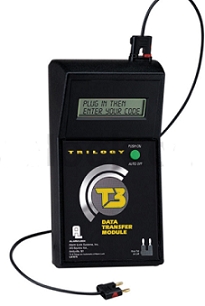
The ALPCI2U establishes direct PC-to-device communication with three Alarm Lock hardware types: compatible Trilogy digital locks, the Data Transfer Module III (AL-DTMIII), and the AL-PRE2 proximity card reader enroller.
When the PC can physically reach the lock, you connect the cable directly. When the lock is in a location the cable can't reach (long corridors, remote doors, mechanical rooms), you use the ALPCI2U to program an AL-DTMIII data transfer module, then physically carry the DTM-III to the lock to complete the programming transfer. The DTM-III stores the full programming package and transfers it when docked.
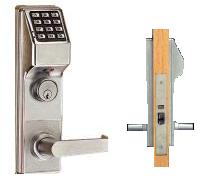
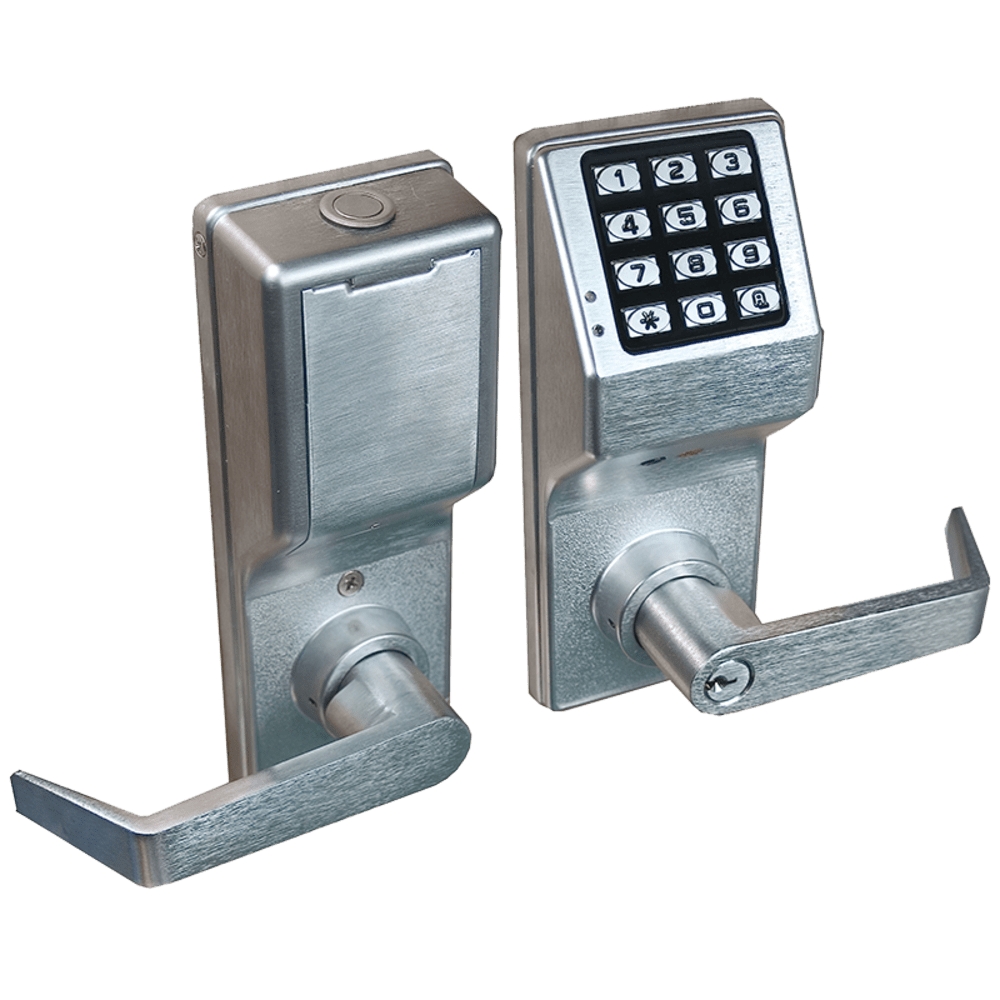
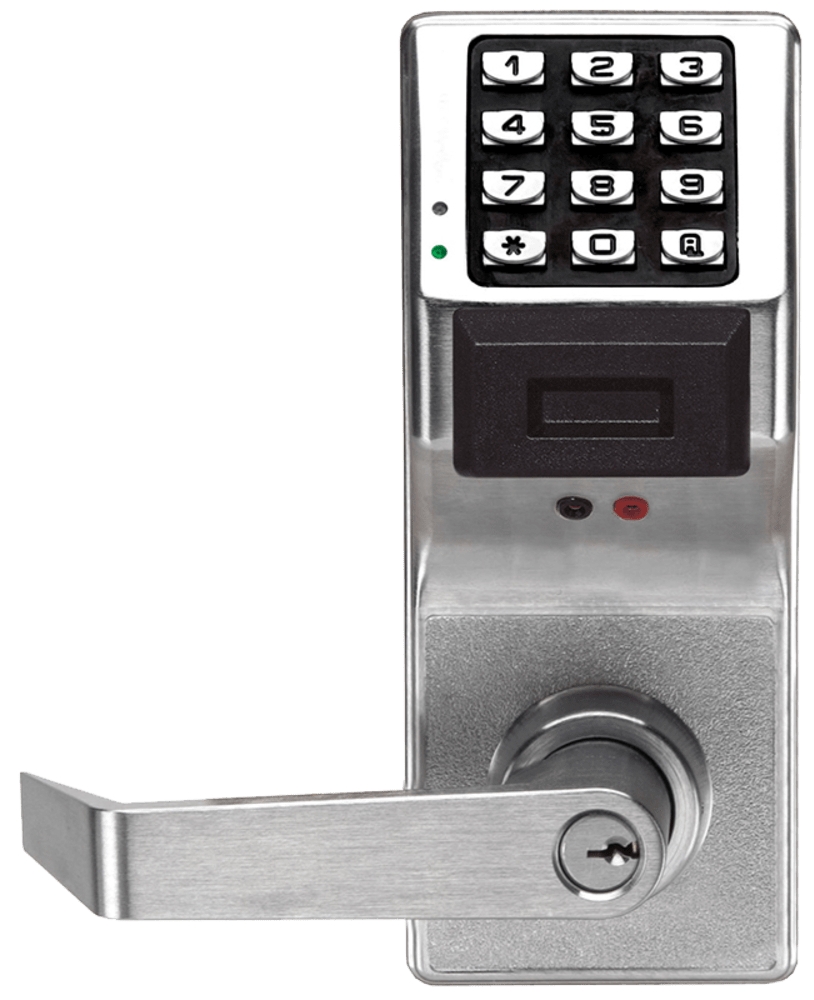
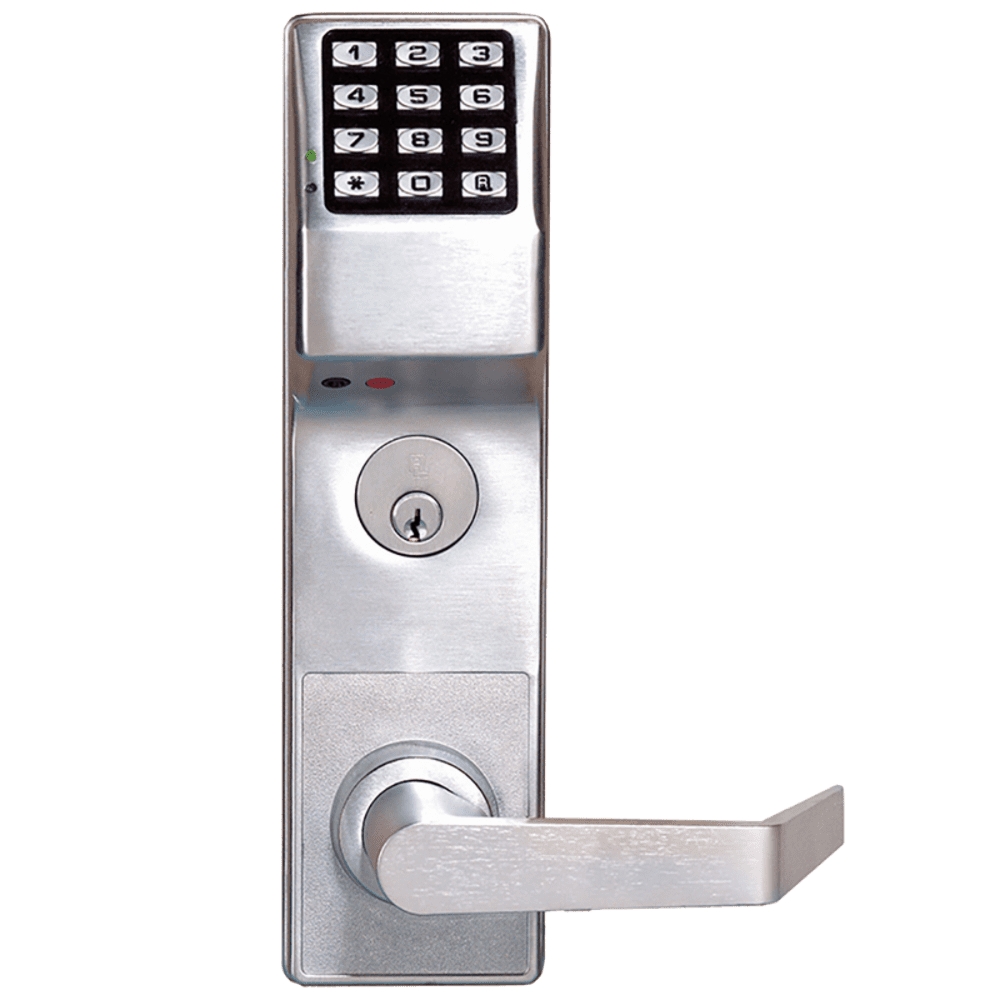
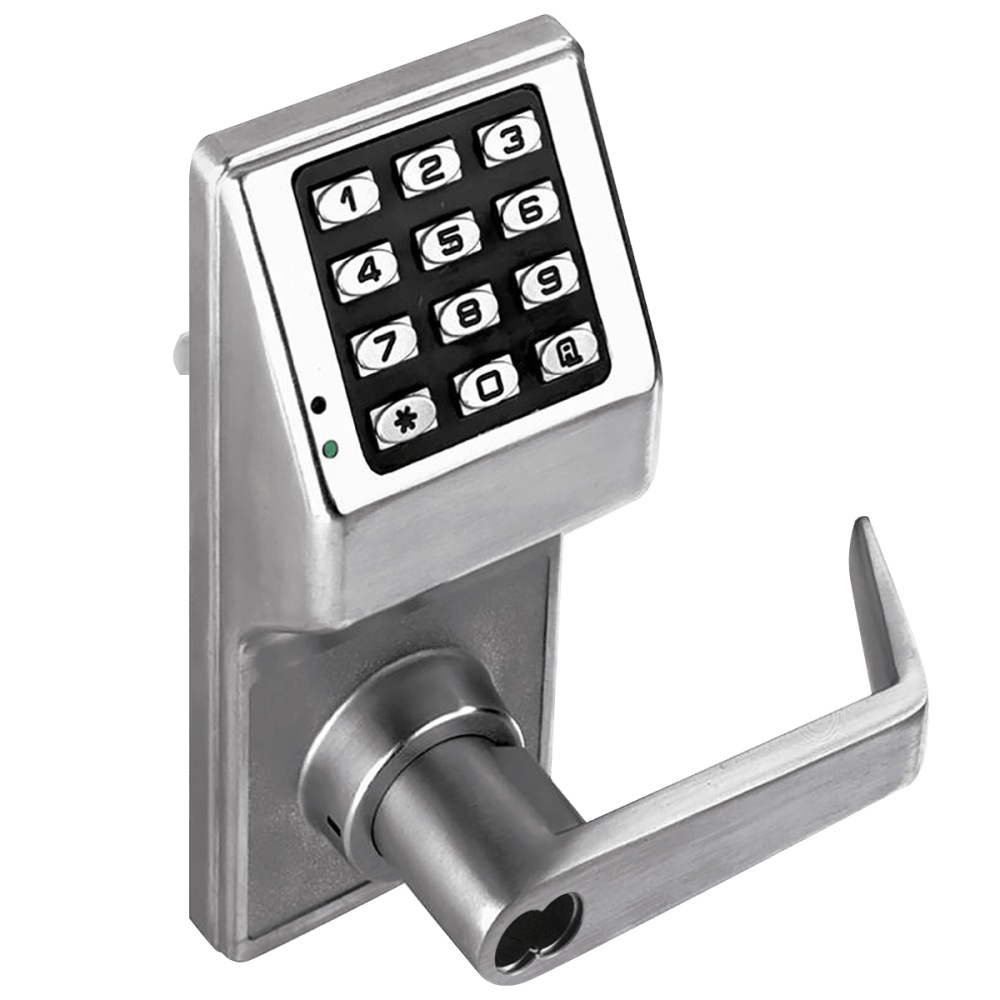
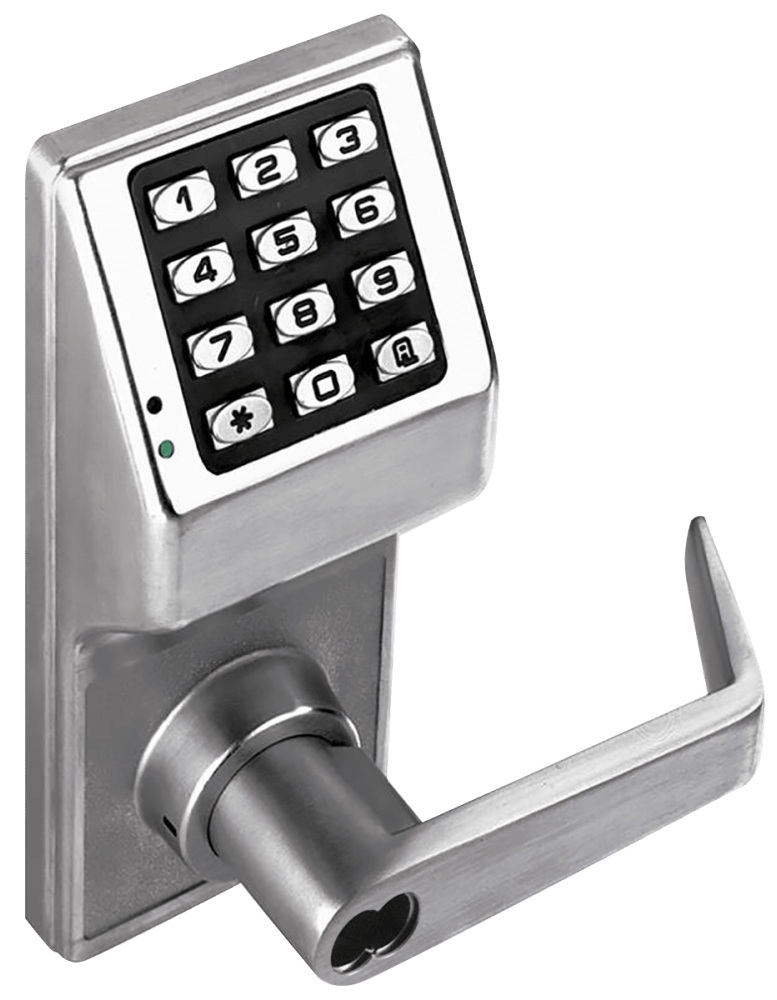
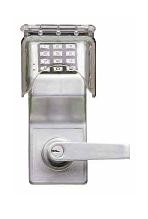
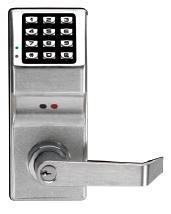
Compatible Trilogy lock series include the DL2700, DL2800, DL3000, DL3200, DL4100, DL5300, PDL3000, PDL4100, and related Trilogy standalone digital lock models.
Technical Specifications
Input power: Supplied by the PC and lock connections. No external power source required.
Cable dimensions: 2-5/8" L x 1-1/4" H x 3/4" W with a 5-foot cord. One end terminates in a banana plug that inserts into the lock's programming port. The other end is a standard USB-A connector for the PC.
Supported operating systems: Windows 7 (32-bit and 64-bit), Windows 8.1, Windows 10, and Windows Server 2012 R2 (64-bit). Processor: 1GHz minimum, 2GHz or faster recommended. At least 10 MB available on hard drive. At least 64 MB RAM.
DL-Windows software version 3.02 or higher is required for USB interface functionality. The latest DL-Windows release is available for download directly at the Alarm Lock manufacturer page, so the physical CD is not the only way to obtain the software.
ALPCI2U vs ALPCI2 vs MX1130
ALPCI2 is the earlier version requiring a serial COM port (DB-9 connection). ALPCI2U adds the USB conversion so the cable works on any modern PC without a serial port. MX1130 is the USB-to-RS-232 adapter only, sold without the cable or software. ALPCI2U is the complete current kit that replaces both ALPCI2 and MX1130 for most installations.