About this item
The SDC 491 is designed to eliminate that hesitation by making emergency egress obvious and deliberate. It's a blue break glass emergency door release station, immediately distinguishable from the red fire alarm stations it shares wall space with in commercial buildings. Breaking the glass requires a physical commitment that a pull station doesn't: you pick up the aluminum rod, yoqu strike the glass, and the door releases. That friction is intentional. It eliminates accidental activations and false releases on doors equipped with fail-safe electromagnetic locks or electric strikes.
Once the glass is broken, the SDC 491's built-in siren activates as a local door annunciator, and the DPDT contacts simultaneously trigger the lock release circuit and whatever auxiliary function is wired to the second contact. For compatible magnetic locks, electric door strikes, and access control components, browse our full electronic hardware catalog.
How the SDC 491 Works
The 491 uses two SPDT contacts configured as a DPDT (Double Pole Double Throw) switch at 10 amps each. When the glass is broken and the internal mechanism releases, both contacts switch simultaneously.
Contact 1 (lock release) is wired directly to the fail-safe lock: either cutting power to a fail-safe electromagnetic lock that holds open when powered, or applying power to a fail-secure lock that requires a signal to release. In either configuration, the 491 releases the door immediately and without any intermediate relay or controller.
Contact 2 (auxiliary) is available for secondary functions: CCTV recording trigger, remote monitoring panel, security alarm activation, or any other system requiring notification of an emergency release event. The auxiliary contact operates at the same time as the lock release, which means CCTV footage capture and monitoring alerts begin the moment the glass breaks.
The SDC 491 can release a single door or all doors connected to the same electric locking circuit, depending on how it's wired. For buildings where a single station needs to release a vestibule, wing, or entire perimeter locking system, this single device handles the full circuit.
SDC 491 Technical Specifications
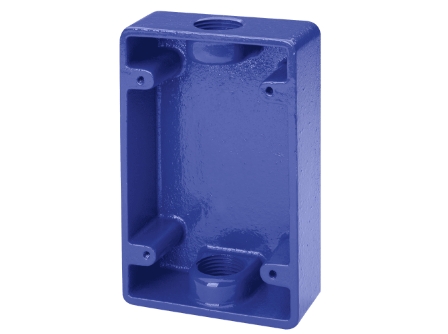
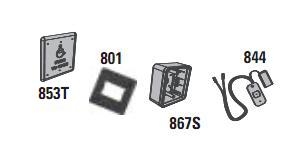
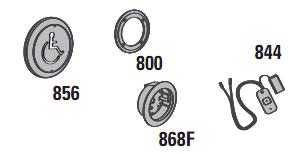
Contacts: DPDT (2 x SPDT). Contact rating: 10 Amps per contact. Siren power: 3V to 28VDC, 18mA. Housing color: Blue (distinguished from red fire alarm stations). Activation: Break glass with included aluminum rod. Mounting type: Flush or recessed in 2" deep single gang box; also fits double gang box with plaster ring cover. Surface mount: available with 491-BB Back Box (sold separately). Contact 1 function: SPDT for lock release. Contact 2 function: SPDT auxiliary for remote monitoring, CCTV activation, alarm activation. Siren: built-in, activates on glass break, local door annunciator. Scope: releases individual door or all doors on connected electric locking circuit. Package contents: 491 break glass station, 3 replacement glass plates, aluminum striking rod. Related accessories: 491-BB surface mount back box, 491-GL4 replacement glass (4 pack). Warranty: 1-year, Security Door Controls.
Why Break Glass Over a Pull Station
A pull station can be activated by bumping, by someone grabbing it reflexively, or by accident. A break glass station cannot. The glass must be deliberately broken with the aluminum rod before any release occurs. Building inspectors and AHJs in jurisdictions that require documented emergency egress capability for electrically locked doors often prefer the break glass approach because the higher activation threshold reduces nuisance releases while still providing compliant emergency egress. The SDC 491 is specifically designed for emergency door release and its presence may influence the approval of an electric locking system by the local AHJ.
Blue Housing and Activation Instructions
The blue housing is not aesthetic. It's functional. Emergency egress hardware installed near fire alarm stations must be distinguishable at a glance, especially under stress. The 491's blue color and clearly printed activation instructions on the housing face ensure that anyone approaching the wall in an emergency can immediately identify which station releases the door and which triggers the fire alarm.
 Trusted Since 2001


.svg)