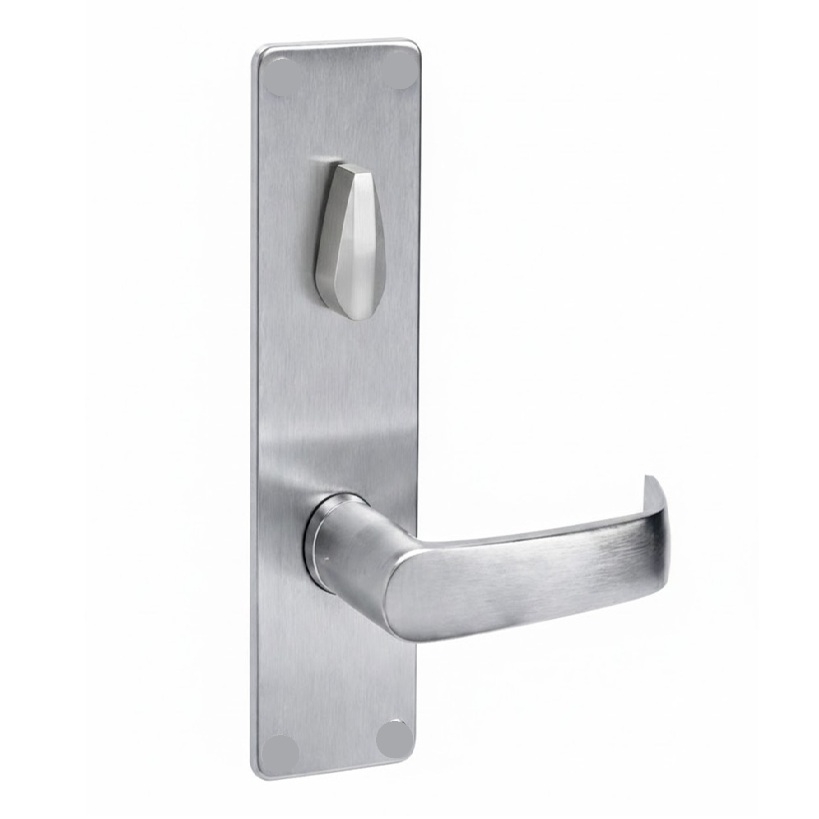
About this item
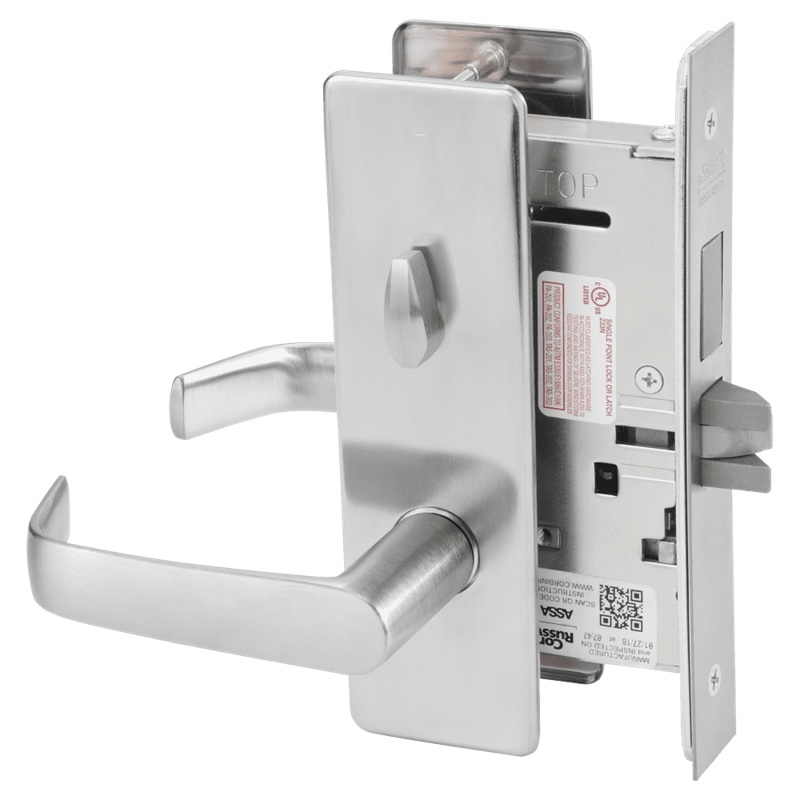
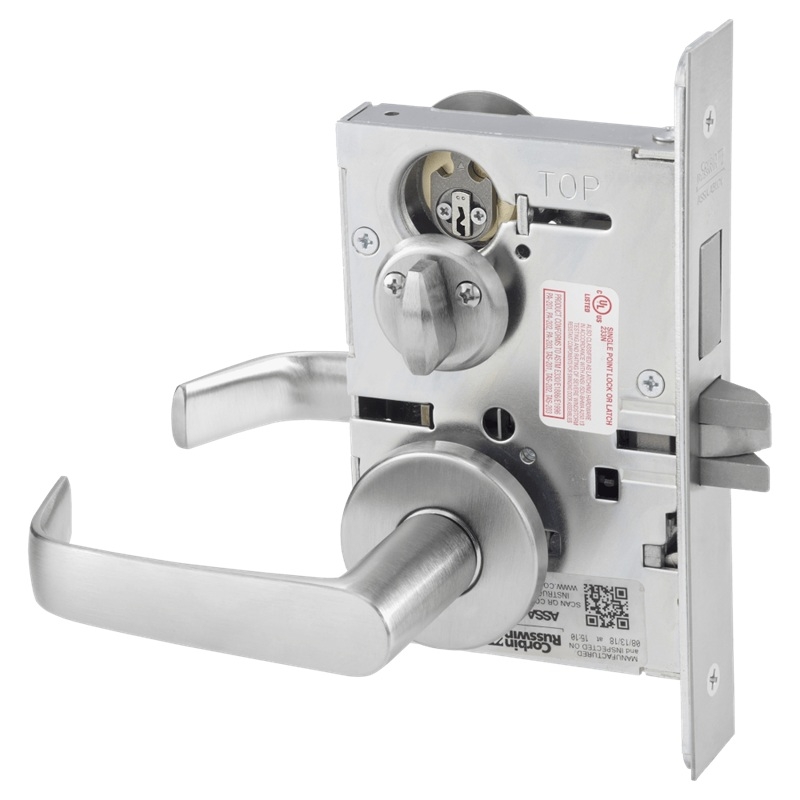
The Corbin Russwin ML2072 eliminates it. It's the classroom intruder function: the deadbolt is thrown from inside the classroom by key, locking the outside lever without the teacher ever entering the corridor. The room is secured while the teacher and students stay on the safe side of the door.
When the deadbolt is thrown from inside, the outside lever locks rigid. Staff can enter from outside using a key, which simultaneously retracts the latch bolt and unlocks the outside lever, restoring normal operation after the situation is resolved. Inside lever is always free for egress: turning it retracts both the latch and deadbolt simultaneously, but the outside lever remains locked until a key from outside resets it.
For the complete Corbin Russwin ML2000 Series, browse our Corbin Russwin lever locks. For all commercial mortise locks, view our mortise locks catalog.
ML2072 Classroom Intruder Function: Four Operating States
State one, normal operation: Deadbolt retracted, both levers operate the latch freely. The classroom door operates like standard passage hardware during normal school hours.
State two, intruder lockdown: Teacher inserts key from inside cylinder and throws the deadbolt. The outside lever locks immediately. No one can enter from the corridor without a key. The teacher locked the door without entering the corridor.
State three, inside egress: Inside lever turns, simultaneously retracting both the latch and the deadbolt. Door opens for egress. Outside lever remains locked after the door closes. Anyone entering from the corridor after egress still needs a key.
State four, staff re-entry: Authorized staff insert a key in the outside cylinder, which retracts the latch and simultaneously unlocks the outside lever. This restores normal lever operation after the lockdown.
Corbin Russwin ML2072 NSA Technical Specifications
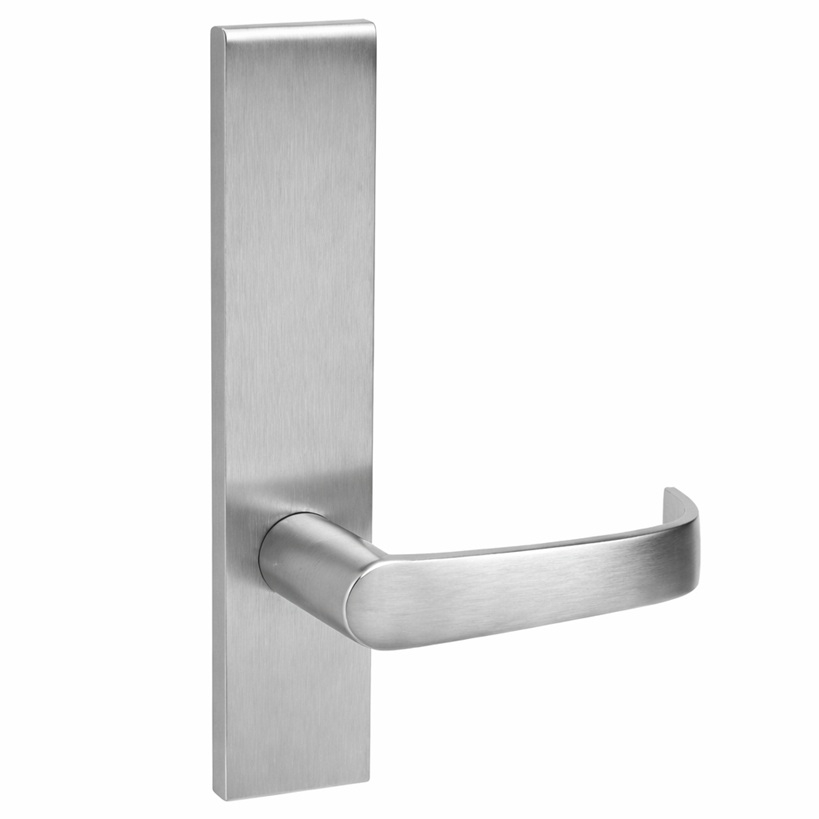
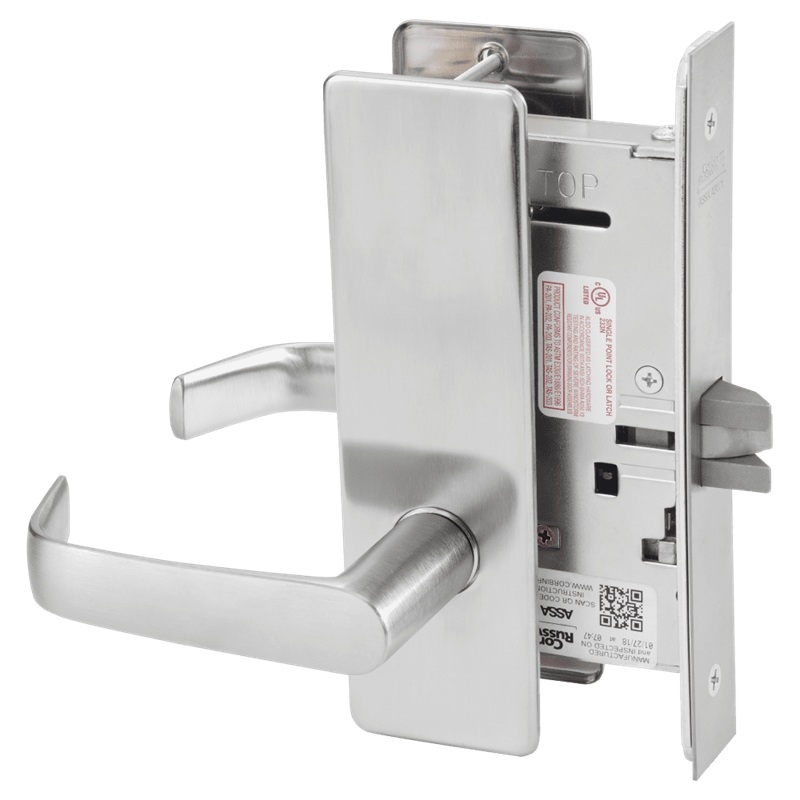
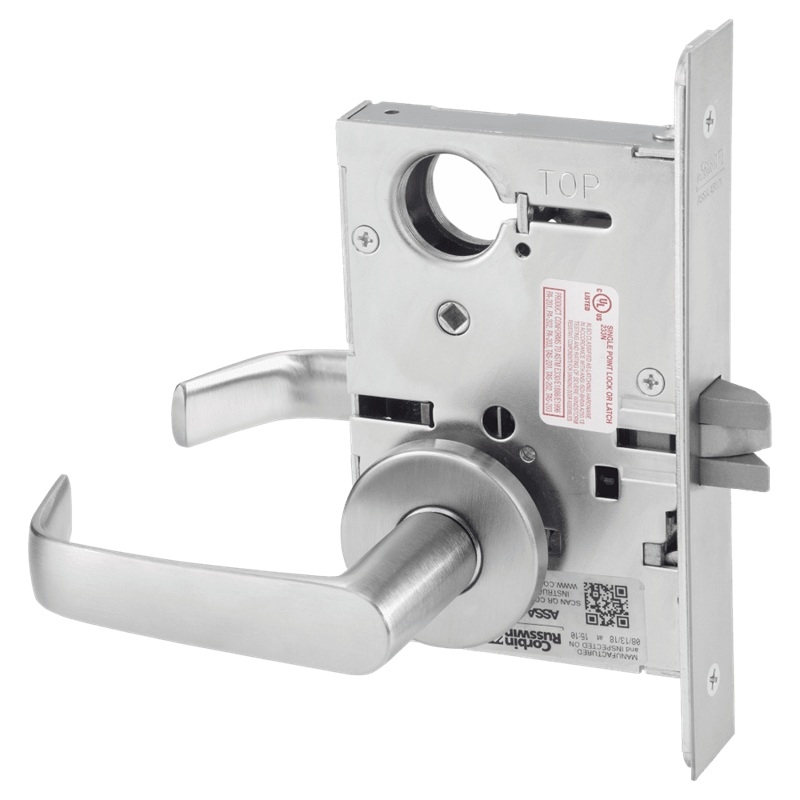
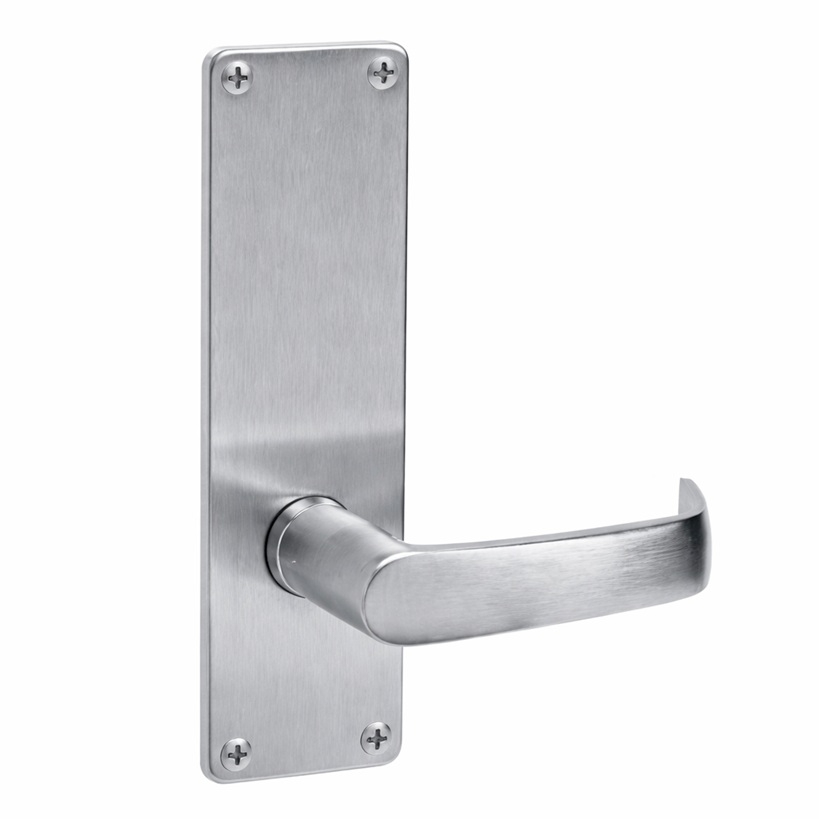
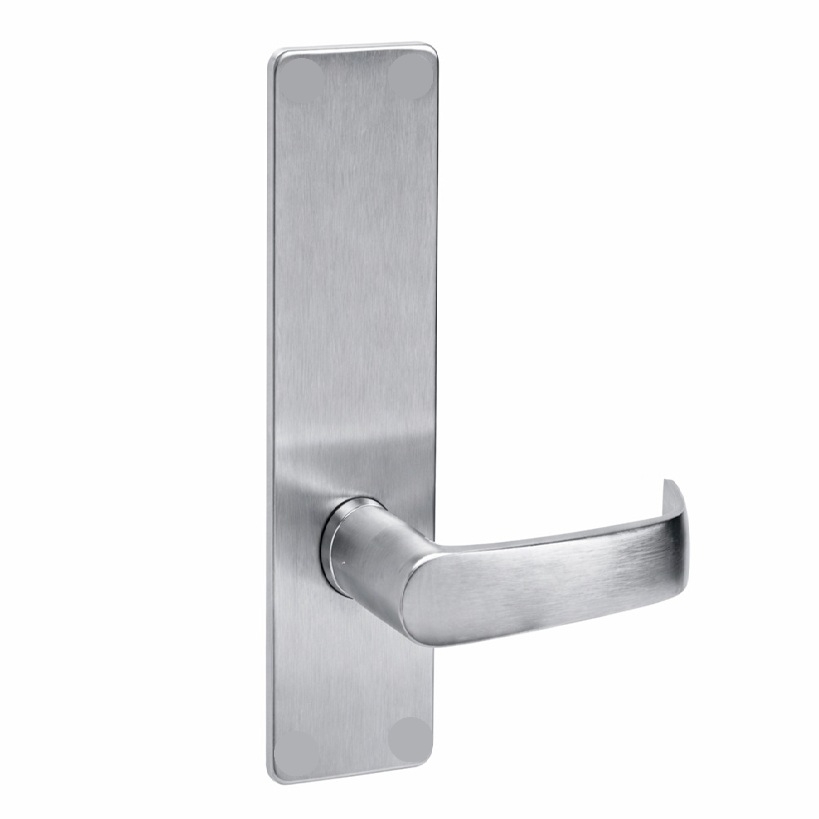
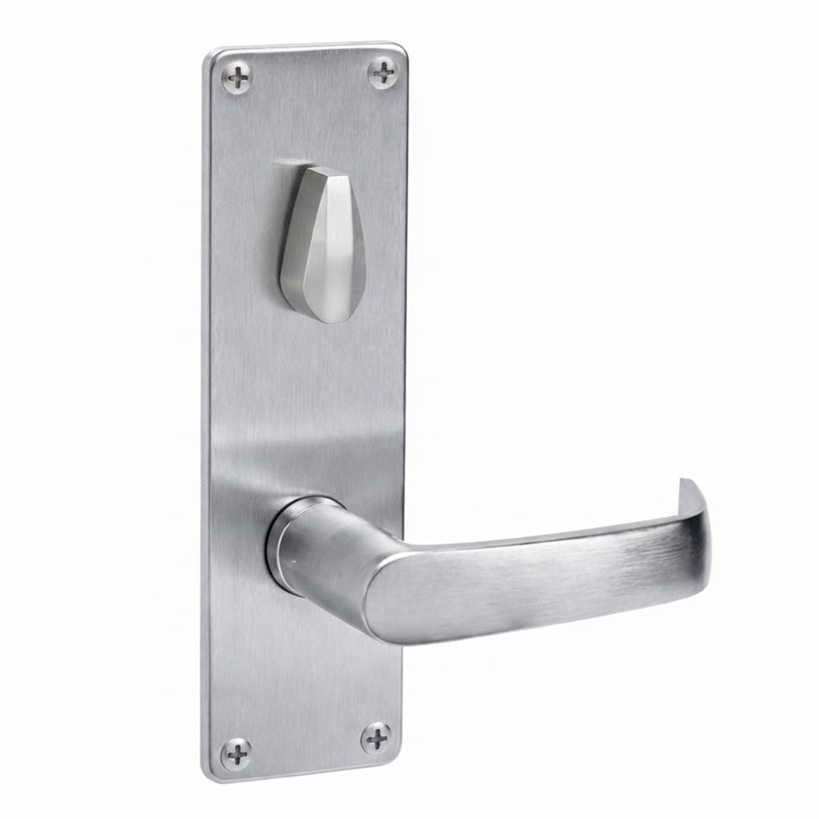
Series: Corbin Russwin ML2000. Function: ML2072, Classroom Intruder. Trim: NSA, NS Lever (Newport), A Rose. Grade: Grade 1. SKU: ML2072 NSA 626. Door thickness: 1-3/4" (44mm) standard. Backset: 2-3/4" (70mm). Handing: Quick reversible without disassembling lock case. Lockcase: Heavy-gauge chrome plated steel, 5-7/8" x 4" x 15/16" (149mm x 102mm x 24mm). Front: Heavy-gauge steel, 8" x 1-1/4" x 3/32"; flat and beveled door compatible; optional D138 wide for 1-3/8" doors. Armored front: Wrought brass, bronze, or stainless steel, machine screw attached. Latchbolt: 2-piece with anti-friction insert, 5/8" x 1" x 3/4" throw (19mm). Auxiliary latchbolt: 9/16" effective throw, 3/8" effective deadlocking. Deadbolt: One-piece stainless steel, 19/32" x 1-1/4" x 1" throw (25mm). Strike: ANSI straight lip, 4-7/8" x 1-1/4" x 1-1/8" lip to center; optional strikes available. Cylinder: Brass, 6-pin, L4 keyway standard; 7-pin optional; interchangeable core (IC) available. Keys: Two nickel silver standard. Keying: KD standard; Keyed Alike (+$20); Master Keyed (+$30); Construction Master Keying. Finishes: 605, 606, 612, 613, 625, 626, 630, 722. Warranty: 10-year limited.
ML2072 vs. ML2055: Classroom Intruder vs. Standard Classroom
The ML2055 is the standard classroom function (ANSI F05). The outside lever is locked and unlocked by key from the outside corridor. The teacher must approach the door from inside, open it slightly or fully, and insert the key in the outside cylinder to lock it. In an active threat, that step creates corridor exposure.
The ML2072 classroom intruder function uses the inside cylinder to throw the deadbolt from the safe side of the door. No corridor exposure required. Both functions provide key entry for staff from outside. The difference is entirely in how lockdown is initiated.
For K-12 schools, the ML2072 is the current security standard recommendation for classroom door hardware in facilities that have evaluated the corridor exposure risk of standard classroom locks.
 Trusted Since 2001


.svg)