 Trusted Since 2001


.svg)
- Magnetic Locks
Magnetic Locks
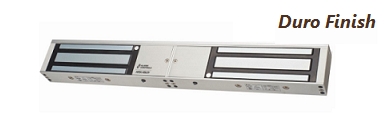
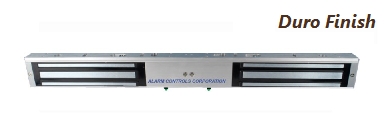
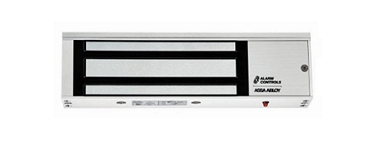
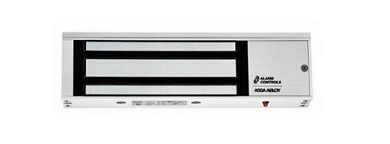
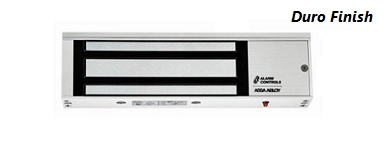
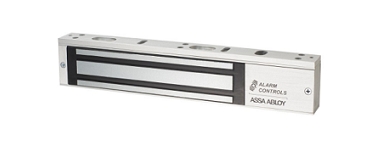
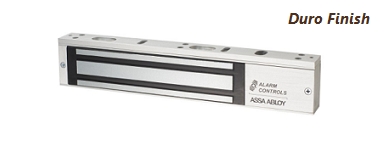
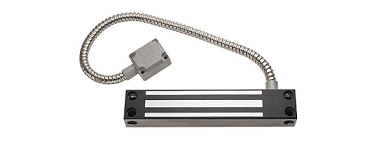
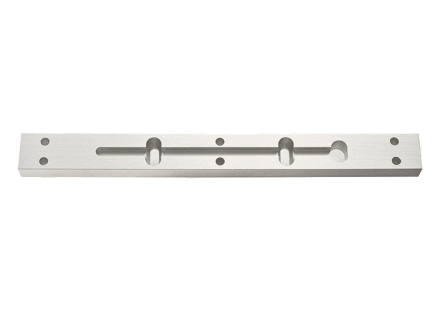
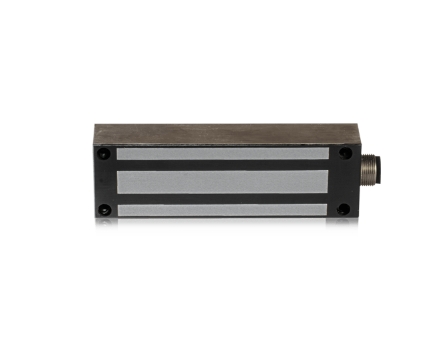
We stock electromagnetic locks from Securitron, Dynalock, BEA, Camden, RCI, Rofu, Schlage, and SDC in 600, 1000, and 1500 lb configurations for interior and exterior commercial applications.

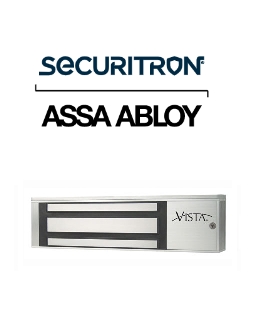



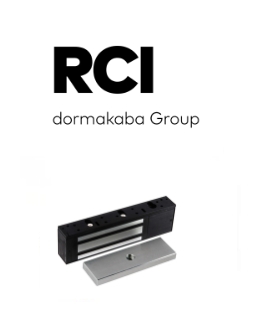
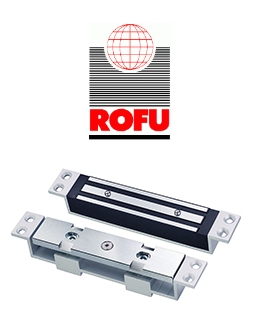
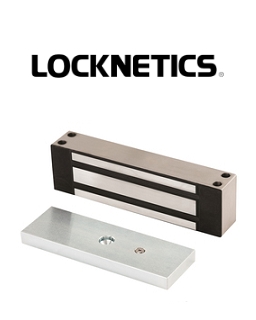
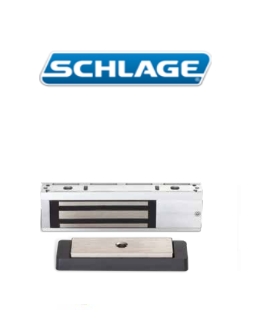
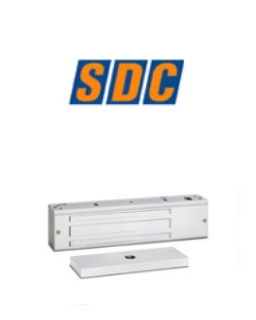


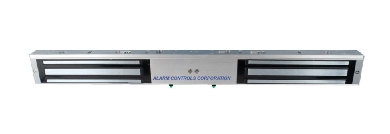
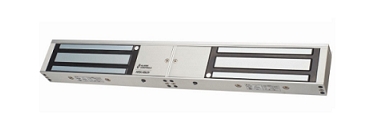
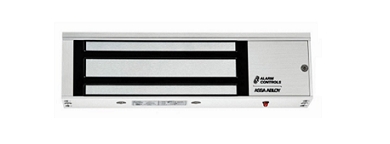
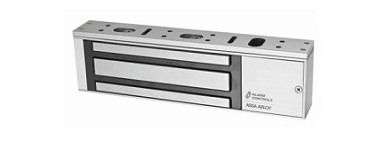
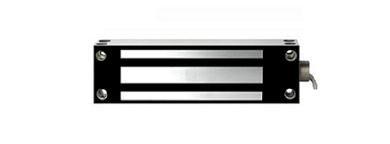
$432.73
$302.91



Do Electromagnetic Locks on Egress Doors Comply with IBC?
Yes, with conditions. IBC Section 1010.1.9.6 and NFPA 101 Section 7.2.1.6.2 permit electromagnetic locks on egress doors when three release conditions are simultaneously met. First: a sensor detecting an approaching occupant must release the lock, typically a PIR request-to-exit sensor on the interior side. Second: the fire alarm panel activation must release the lock via the fire alarm control panel relay. Third: loss of building power must release the lock, which requires fail-safe wiring. All three conditions must be present. A maglock with fire alarm integration but no PIR REX sensor doesn't meet the code. An AHJ will flag it.
How Much Holding Force Does Your Door Actually Need?
600 lb: Standard Interior Applications
600 lb is the standard specification for most interior single-leaf commercial doors in climate-controlled environments. Standard offices, interior access control doors, and low-to-medium security perimeter openings. It's more than enough to resist normal door pull forces and most unauthorized entry attempts at interior doors.
1200 lb: Exterior Doors and Higher Security
1200 lb is specified for heavier doors, exterior applications where wind creates higher pull forces, and higher security perimeter doors. The added holding force resists higher abuse loads and harder unauthorized entry attempts.
1500 lb: High-Security Installations
1500 lb is for correctional facilities, evidence rooms, government secure areas, and doors where maximum forced entry resistance at the maglock is the priority. Don't over-specify. A 1500 lb maglock on a standard office interior door wastes power consumption and can make the door feel difficult to open under normal operation.