 Trusted Since 2001


.svg)
- Commercial Locks
- Electrified Locks
Electrified Locks
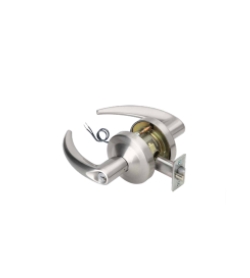
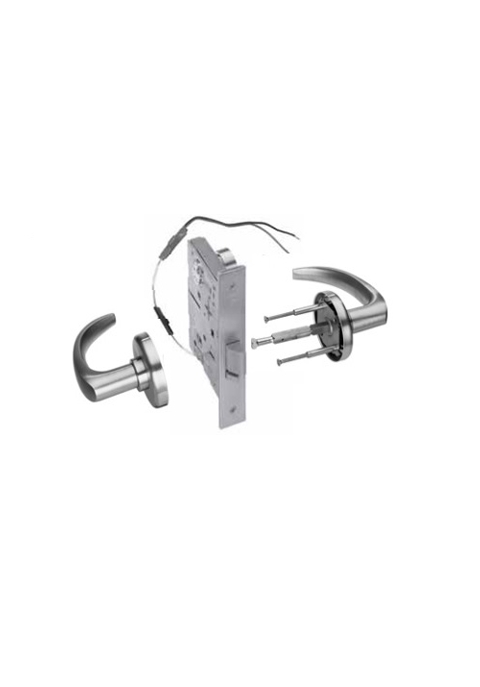
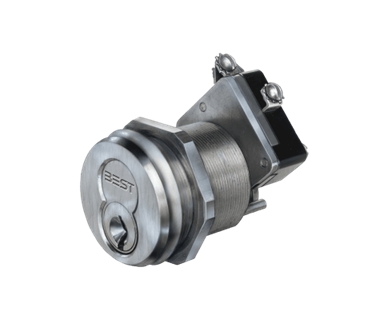
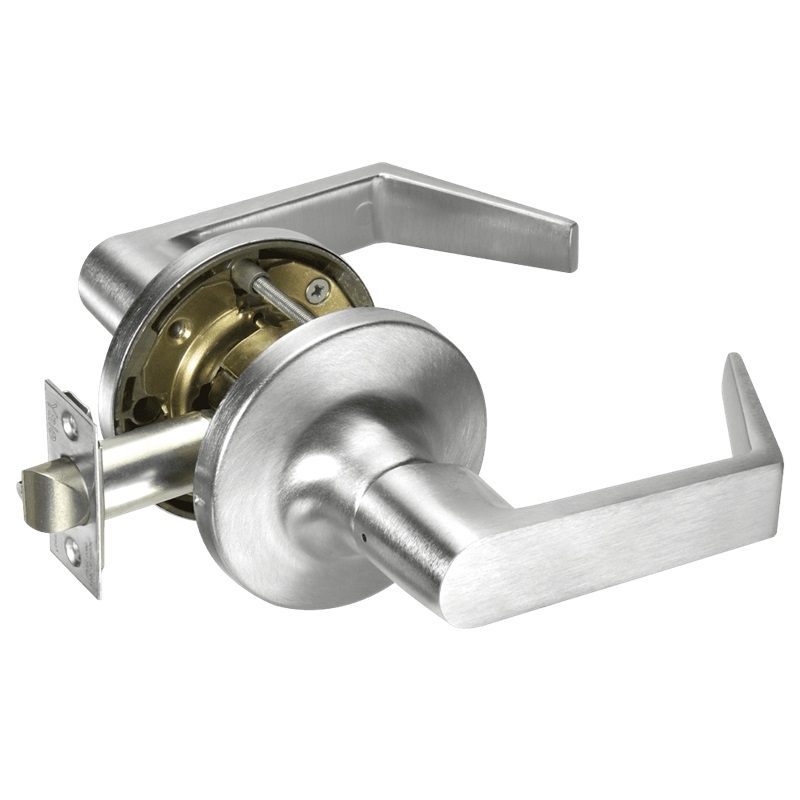
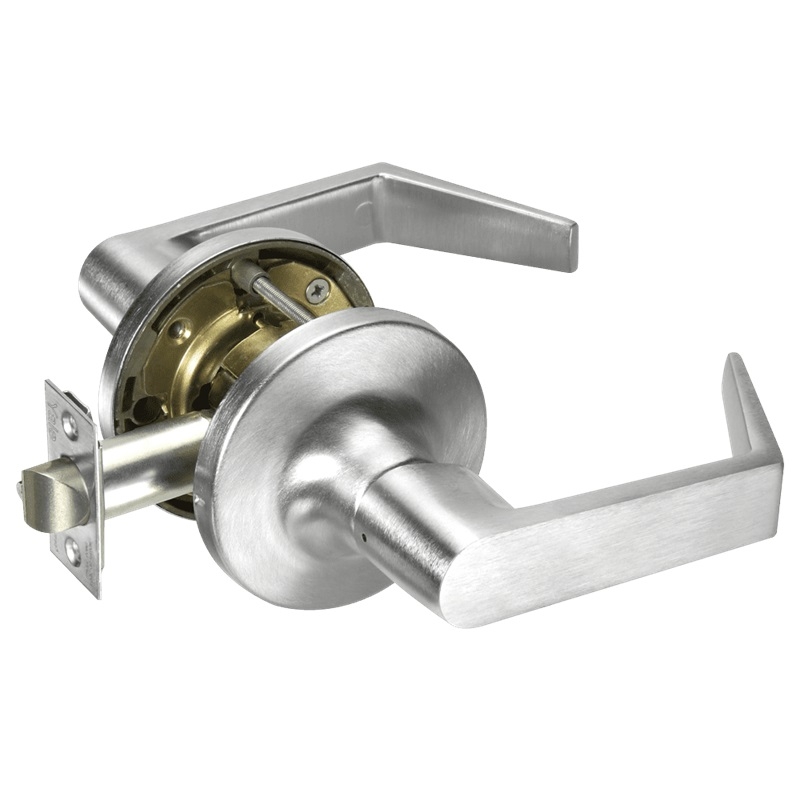
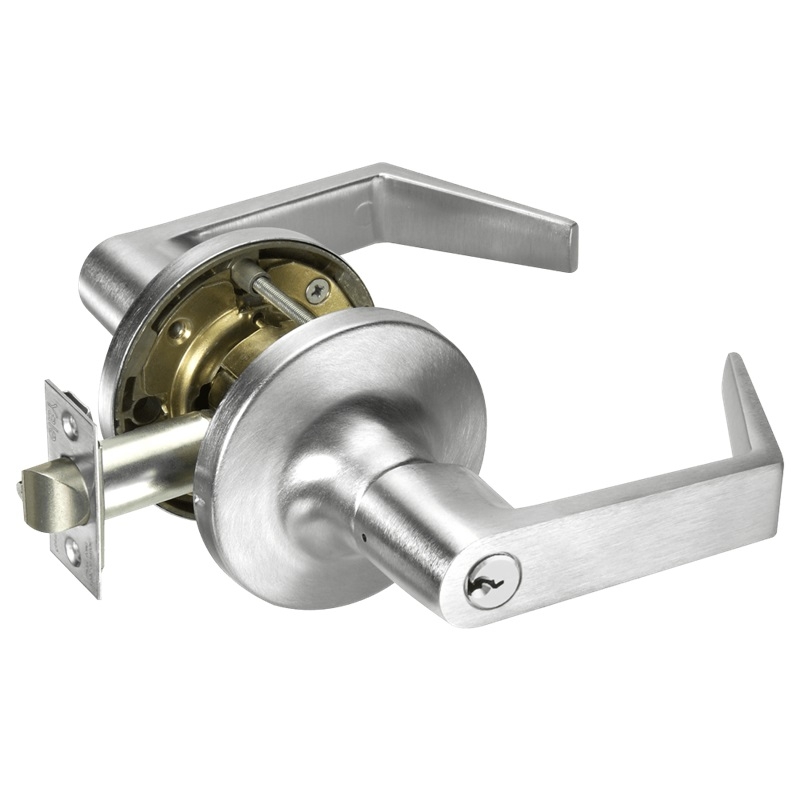
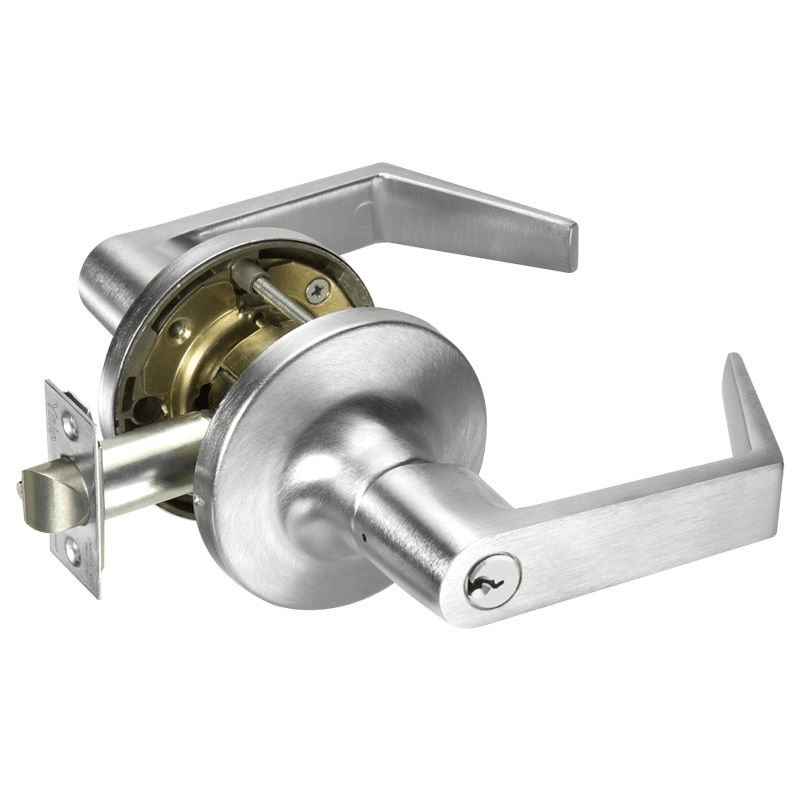
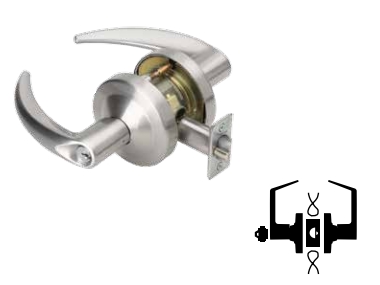
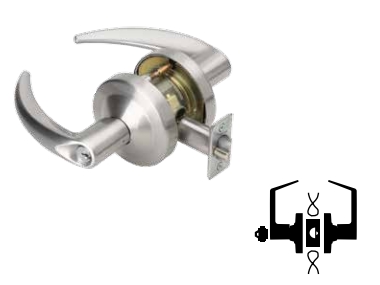
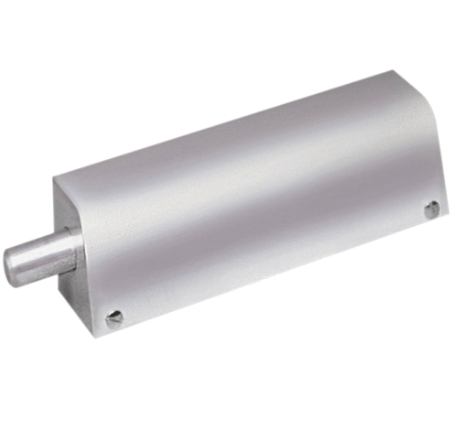
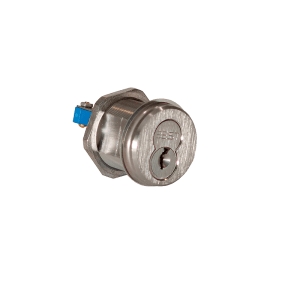
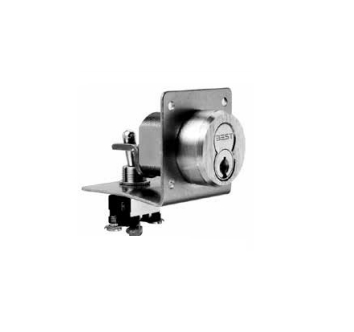
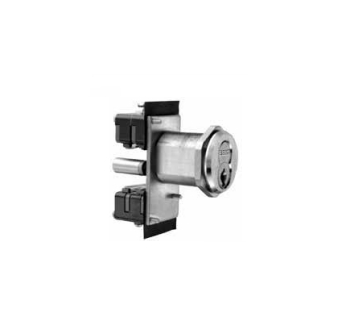
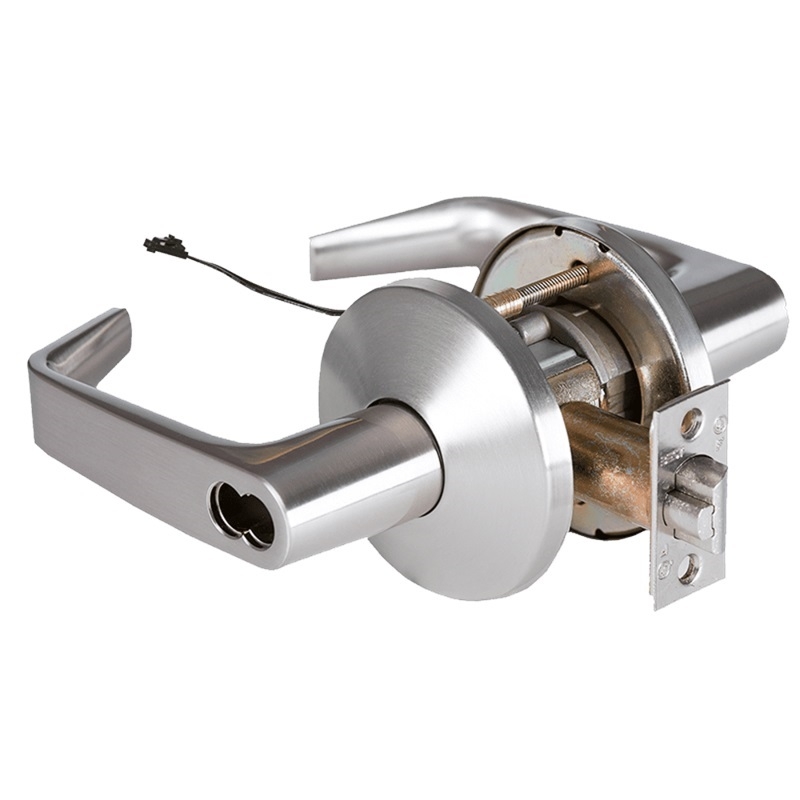
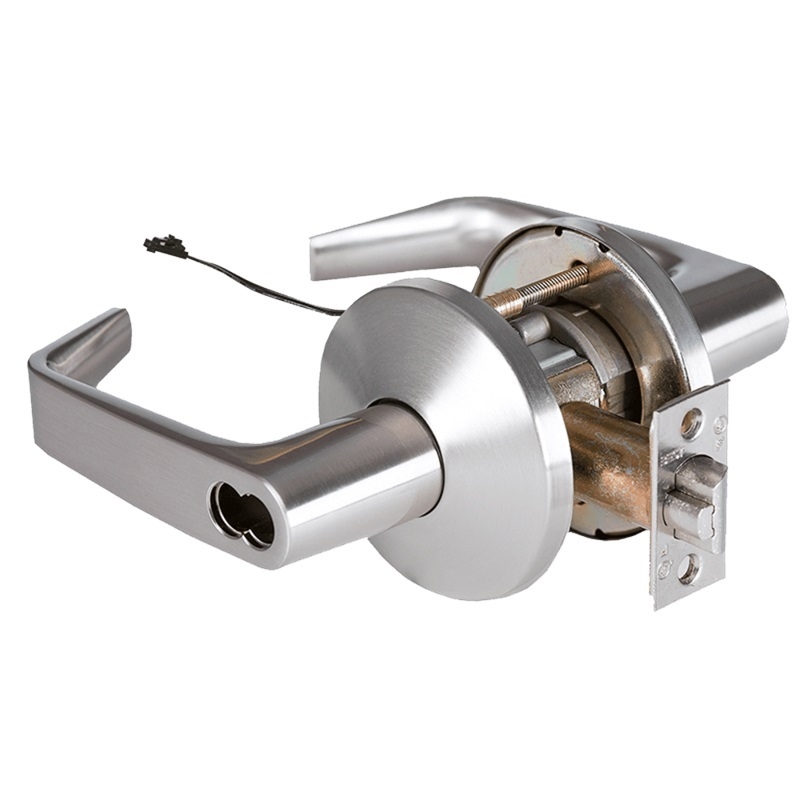
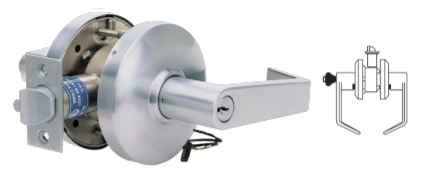
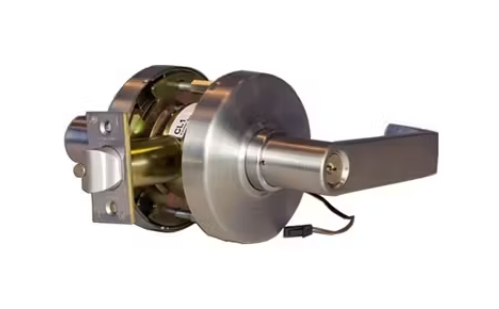
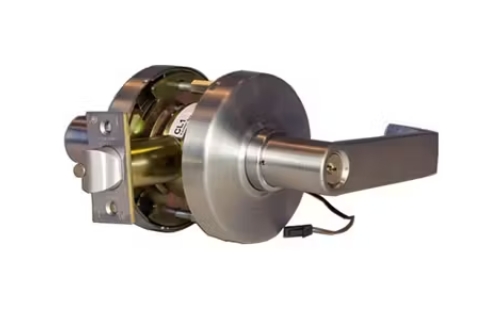
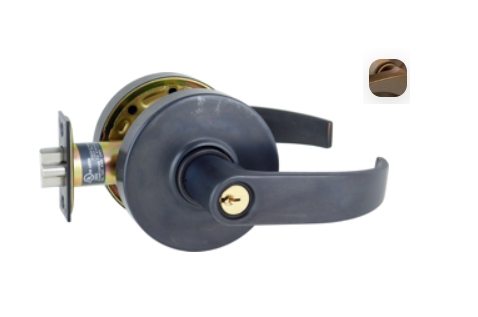
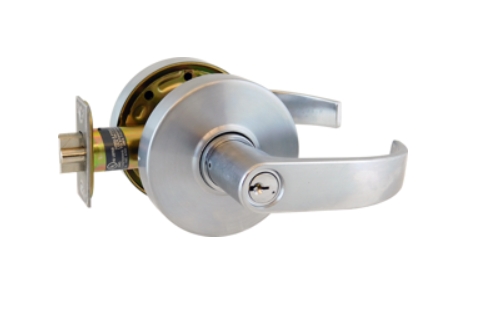
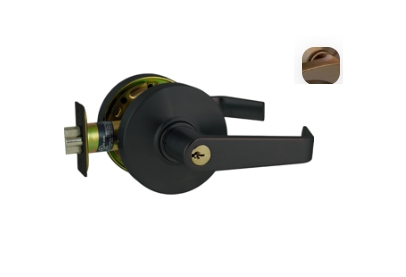
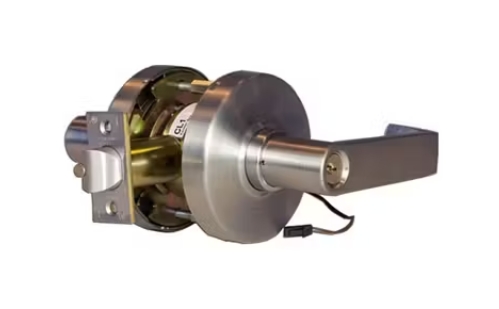
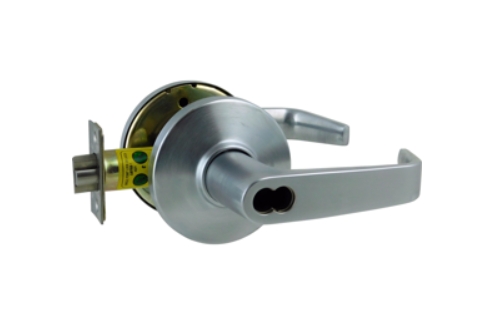
We stock electrified cylindrical locks, electrified mortise locks, electrified exit device trims, and electrified panic devices from Schlage, Sargent, Corbin Russwin, dormakaba, Von Duprin, and Command Access.


$1,066.00
$596.96
$1,066.00
$596.96
$1,156.00
$647.36
$1,156.00
$647.36
$770.63
$539.44


$538.92
$285.63

$1,647.00
$856.44
$1,647.00
$856.44
$391.73
$289.88
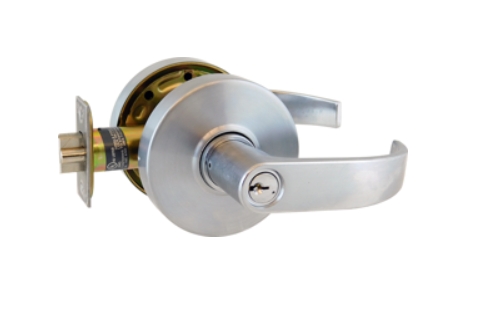
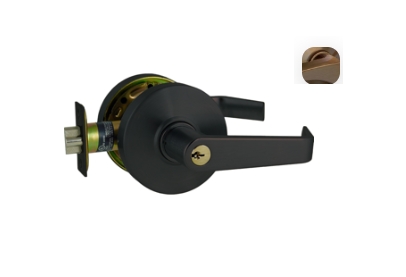
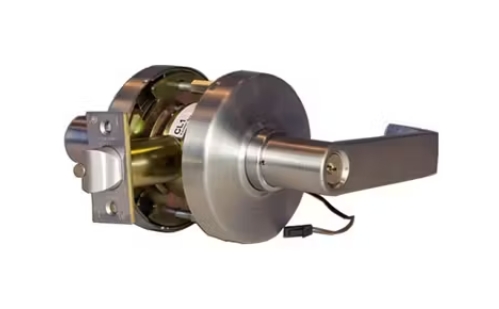
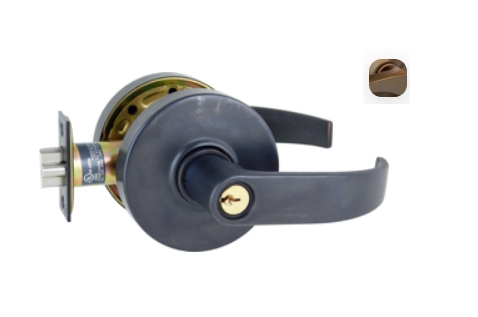
Electric Strike vs. Electrified Lock: What's the Actual Difference?
An electric strike releases the door frame keeper. The lock body stays engaged on the door. Unlock, and the keeper pivots open so the door pulls away from the latch. An electrified lock changes the lock body itself: a solenoid or motor inside the lock releases or engages the latchbolt directly. The lock body on the door changes state, not just the frame keeper. Electrified locks cost more per opening and require power routed to the door (through an electrified hinge or surface wire transfer). They're specified when the access control requirement is at the lock itself, when an audit at the door level is needed, or when an electric strike can't be installed in the frame.
Fail-Safe vs. Fail-Secure: Code Determines This, Not Preference
Fail-safe electrified locks release to the unlocked position when power is cut. Required on fire egress doors under IBC and on accessible means of egress under ADA. Fail-secure locks remain locked when power is cut. Specified for secure perimeter doors and controlled areas where the door should stay locked during a power interruption. You don't get to choose based on preference. IBC Section 1010.1.9 and ADA Section 404.2.7 determine the fail configuration required for the opening. Specifying fail-secure on a required fire egress door is a life safety violation.
What Power Infrastructure Does an Electrified Lock Require?
Electrified locks typically run on 12VDC or 24VDC. That power has to get from the building's AC supply to the lock on the door. The two options are an electrified hinge (concealed conductors through the hinge knuckles) or a surface wire transfer loop at the door top (visible but lower cost). The electrified hinge is the clean solution for architectural applications. The surface loop is the practical solution for retrofits and applications where aesthetics aren't a concern. Either way, the power supply sizing must account for the lock's current draw plus a 25% safety margin.