 Trusted Since 2001


.svg)
- Exit Hardware
- Panic Exit Devices
Panic Exit Devices
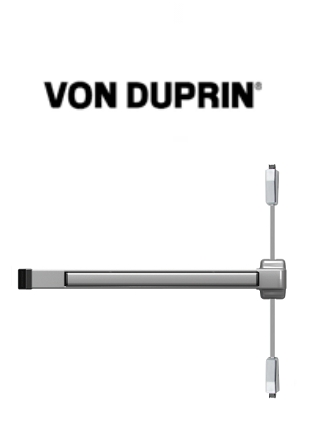
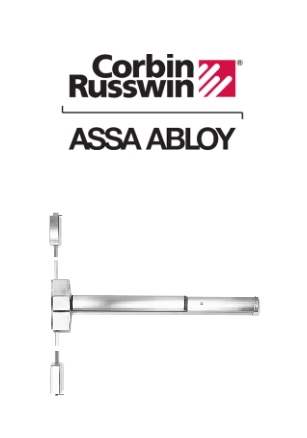
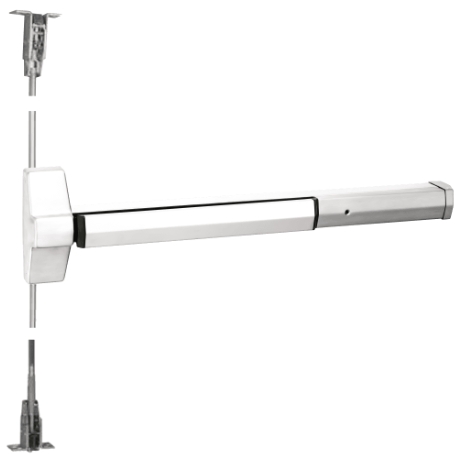
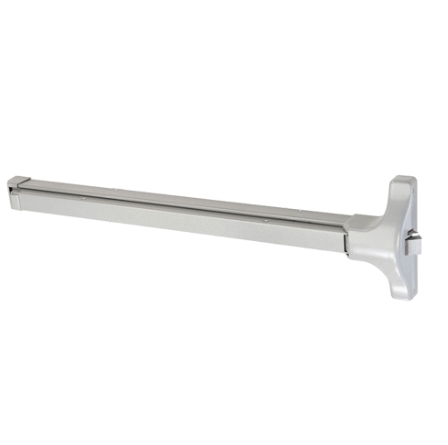
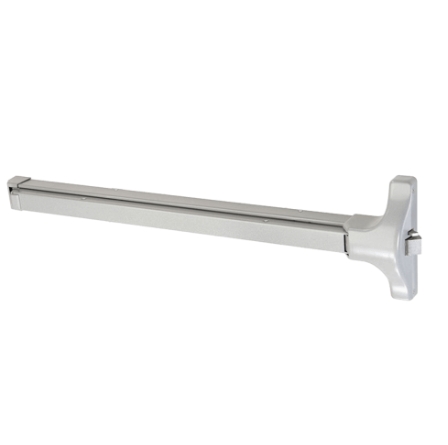
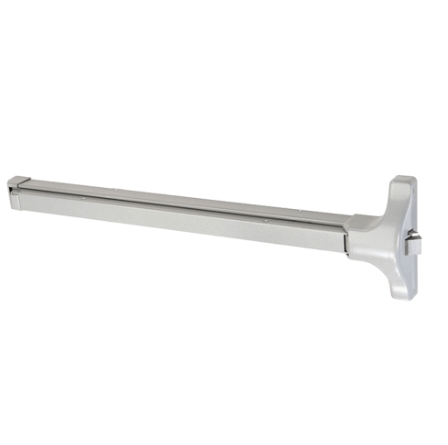
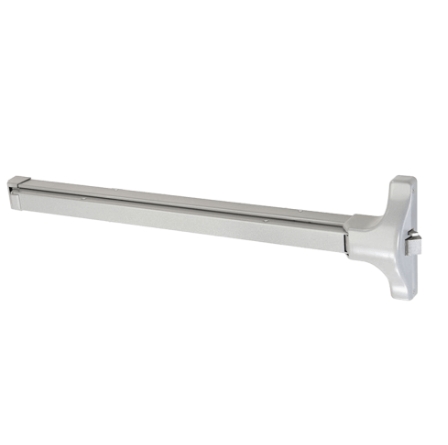
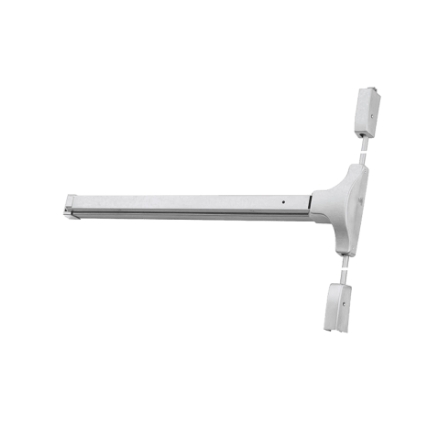
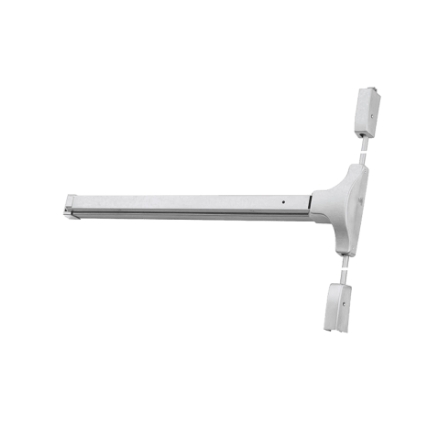
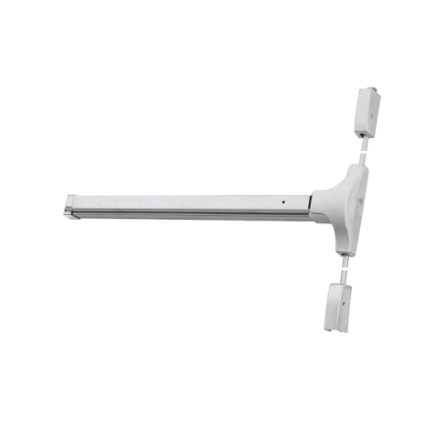
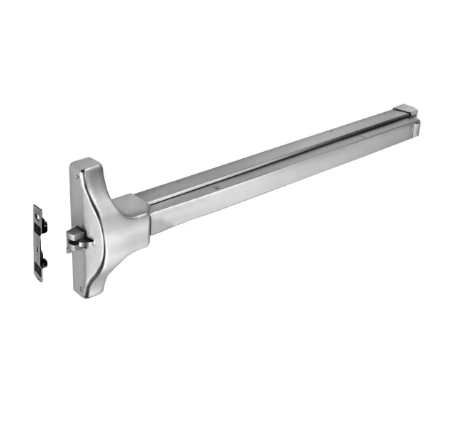
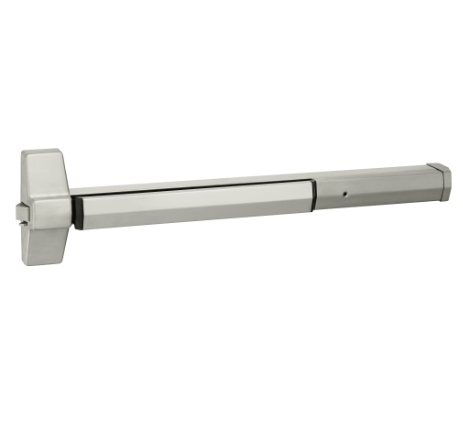
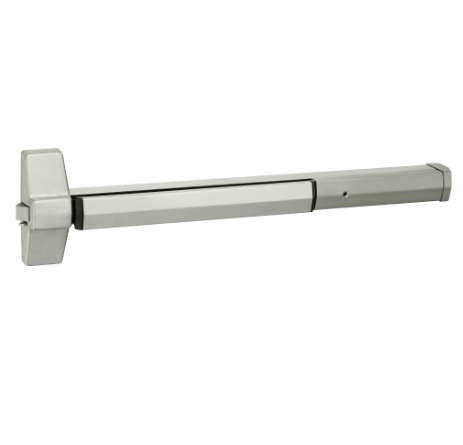
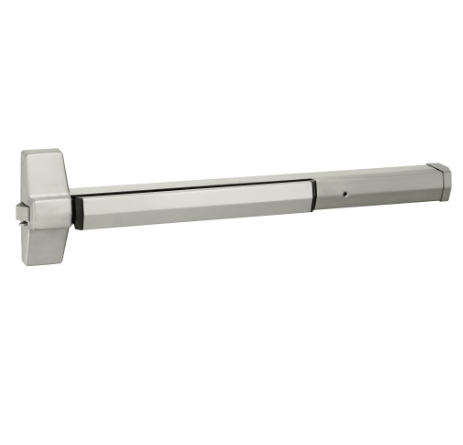
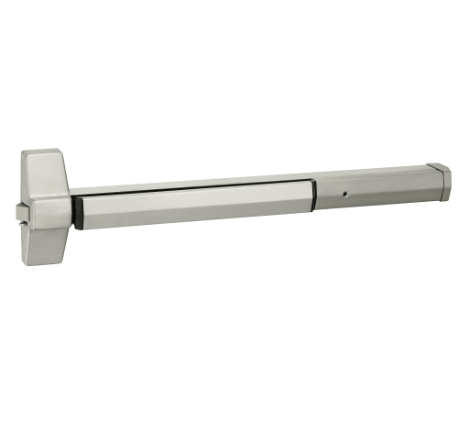
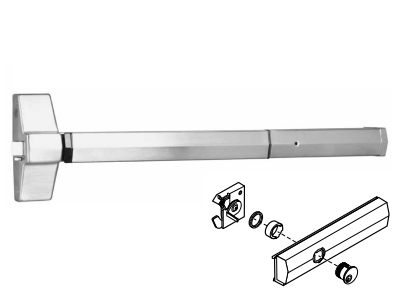
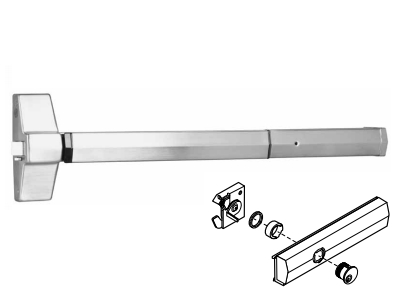
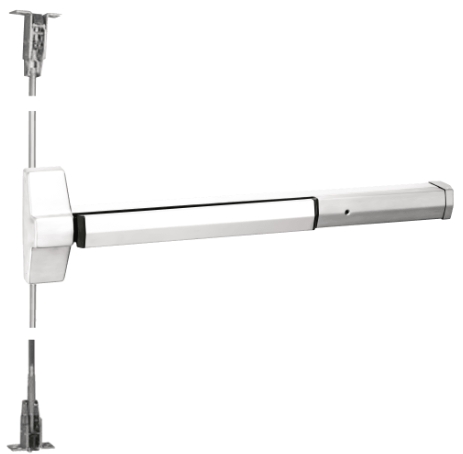
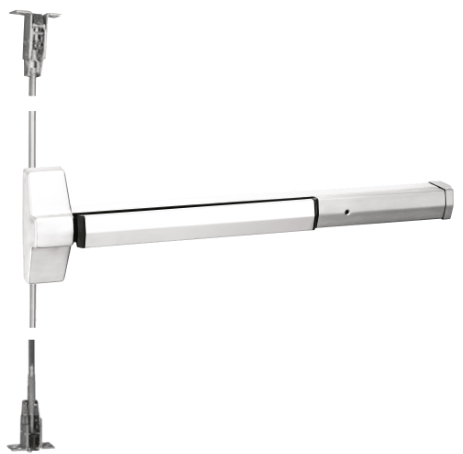
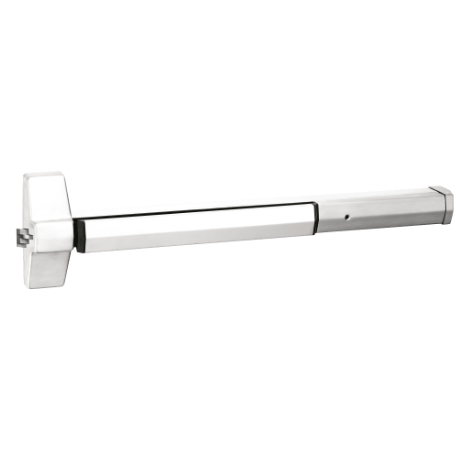
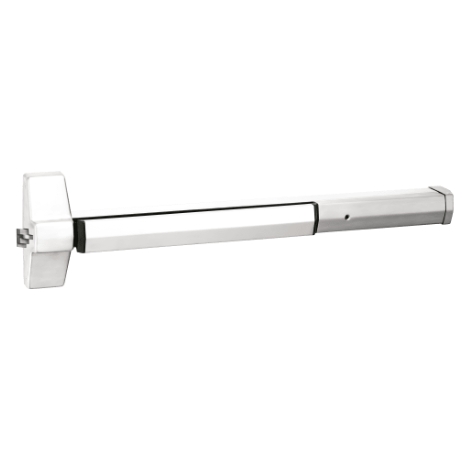
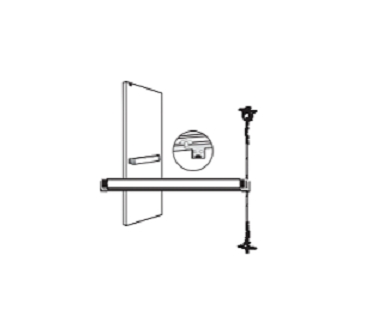
We stock Von Duprin, Sargent, Falcon, Corbin Russwin, and PHI Precision panic exit devices in rim, surface vertical rod, concealed vertical rod, and mortise configurations with all function codes and ANSI finishes.







$2,862.52
$1,603.01
$662.81
$384.43

$662.81
$384.43
$742.17
$430.46
$888.03
$515.06
$967.40
$561.09
$1,017.80
$590.32
$1,097.17
$636.36
$1,243.03
$720.96
$752.90
$436.68
$2,418.49
$1,354.35
$2,497.85
$1,398.80

$2,688.76
$1,505.71
$2,768.12
$1,550.15
$3,808.45
$2,132.73
$2,566.49
$1,437.23
$2,645.86
$1,481.68
$3,240.02
$1,814.41
$3,319.39
$1,858.86
$3,525.31
$1,974.17
$3,604.67
$2,018.62
$3,348.35
$1,875.08
$3,427.71
$1,919.52
$2,512.87
$1,407.21
$2,592.23
$1,451.65

$2,783.14
$1,558.56

$2,862.50
$1,603.00


$2,110.00
$1,202.70
$1,115.00
$635.55
Von Duprin 98 Series vs. 99 Series: Which One Do You Order?
Both the Von Duprin 98 and 99 Series carry UL 305 and UL 10C listings. Both cover all standard function codes. The difference is stile body width. The 98 Series fits standard stile-width commercial doors. The 99 Series uses a wider stile body compatible with 2-inch and wider door stiles, which you'll find on some older institutional buildings and specialty hollow metal door manufacturers. If you don't know the door stile width, measure it before ordering. The door prep is the same for both series, so you can swap between 98 and 99 without modifying the door. But you can't mix 98 trim with a 99 body, so confirm before the order ships.
SVR vs. CVR: The Practical Choice for Your Paired Door Opening
Surface Vertical Rod: The Faster Installation
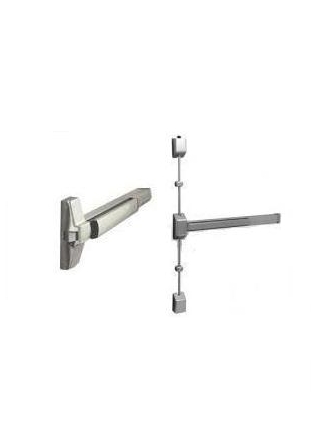
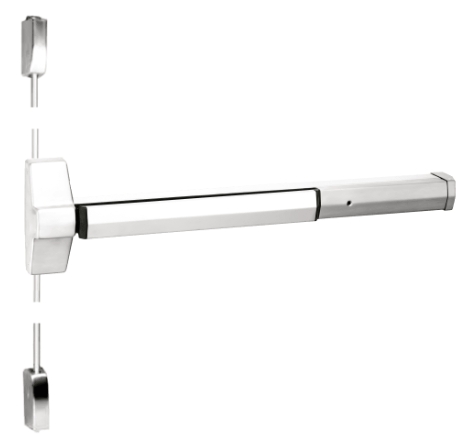
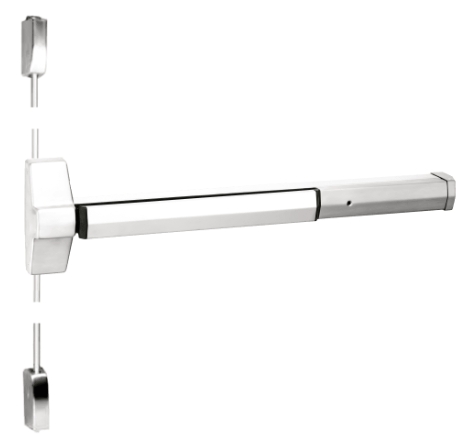
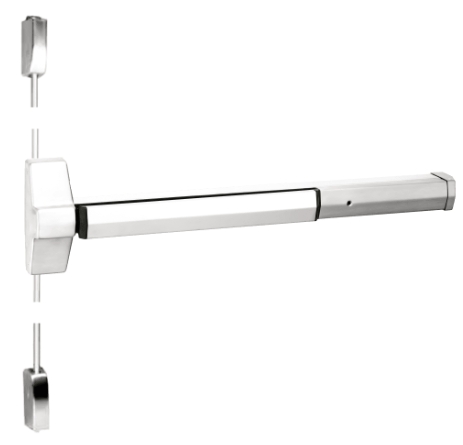
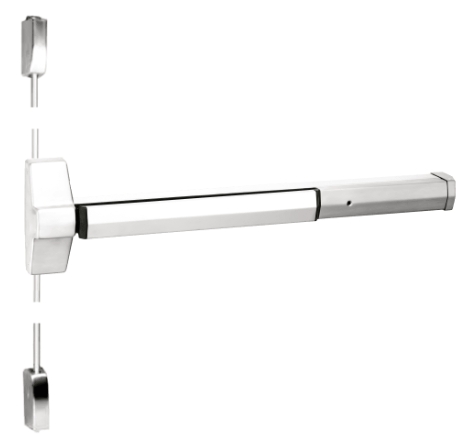
SVR devices (Von Duprin 9827/9927, Sargent 8700) mount the latching rods on the door surface. They're visible when you look at the door, but they work with standard hollow metal door construction without any internal prep. If the door is already hung and you're retrofitting exit hardware, SVR is almost always the practical choice. Faster to install. No custom door prep. No additional lead time.
Concealed Vertical Rod: The Architectural Choice
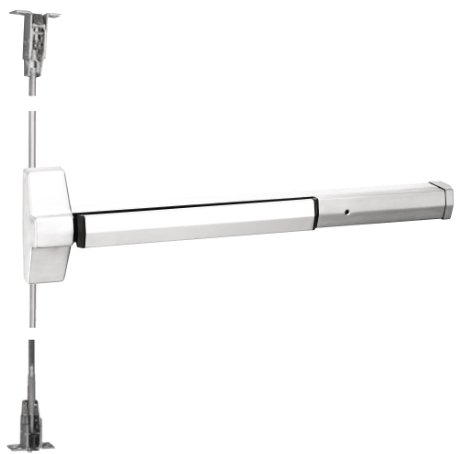
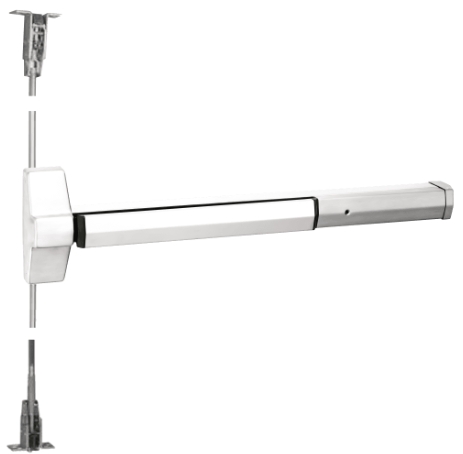
CVR devices route rods internally through channels inside the door. Nothing is visible on the door face. The specification for hotel lobbies, government buildings, and corporate interiors where exposed surface rods are architecturally unacceptable. But CVR requires that the door comes factory-prepped or gets field-prepped by cutting internal rod channels. That adds installation time, cost, and potential field error. Confirm the door prep is available before the CVR order ships.